Uzum Market: what data is open and what you can do with it
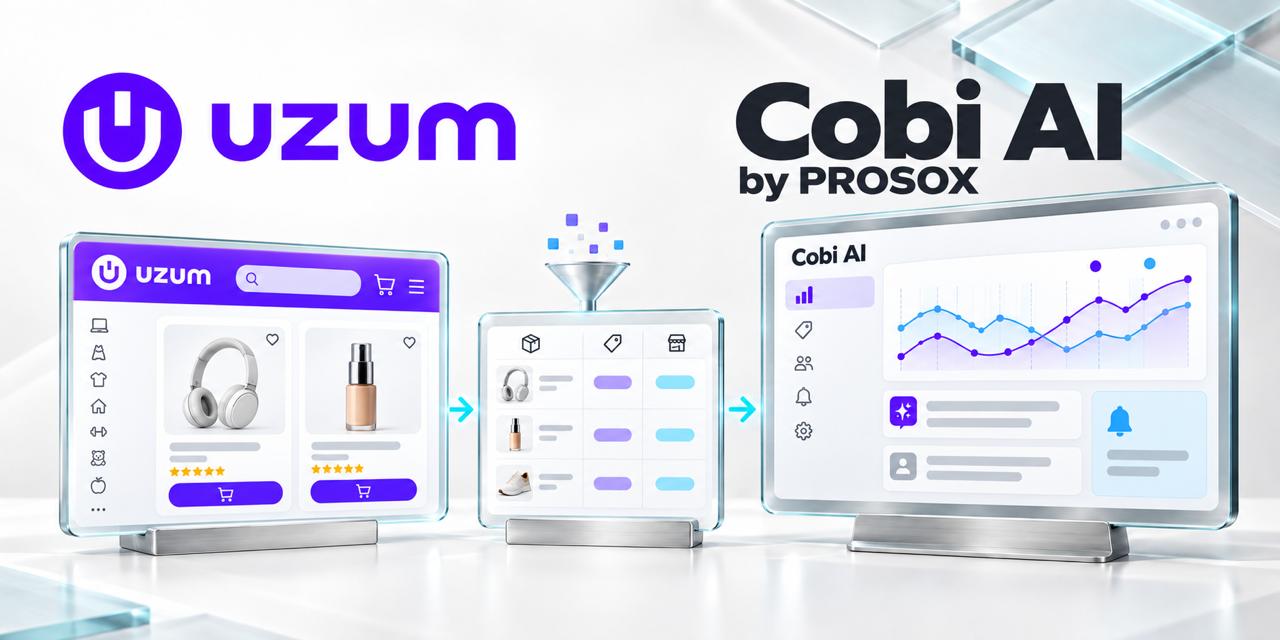
Uzum Market is the largest e-commerce platform in Uzbekistan. It launched in October 2022 and within three years became the main place for online sales in the country. According to the company's data as of March 2026, the marketplace's turnover for 2025 was about $500 million, and the platform has more than 17,000 sellers and about 1.5 million products.
For a brand or distributor that sells in Uzbekistan, this means one simple thing: prices, assortment and competitors on Uzum are, to a large extent, the market. Let's look at what data is open on the platform and which tasks it helps solve.
Three delivery models and why they matter for data
On Uzum, the same product can reach the buyer in different ways:
- from the Uzum warehouse — the seller brings the product to the platform's warehouse in advance, and delivery is usually next day;
- from the seller's warehouse (FBS) — the model launched in October 2024; the product is stored with the seller, and the platform picks it up per order;
- delivery by the seller (DBS) — since June 2025, the seller stores, packs and delivers the order themselves and sets their own zones and timeframes.
For analytics, this means that sellers of the same product compete on more than price. The delivery time shown on the product card can differ by several days between sellers, and the buyer sees it. If you collect only the price, this factor drops out of the picture.
What you can see without logging in
Everything listed below is available to any site visitor; no login is required.
On the product card:
- current price and crossed-out price
- monthly installment payment
- seller
- rating and number of reviews
- delivery time
- specifications and product variants (color, size, volume)
In a category listing: the category's products with price and rating, sorting and filters.
On the seller's page: their assortment.
Customer reviews: review text, rating, date.
Which tasks this solves
Competitor price monitoring. A daily picture of prices, or more frequent if needed, for your products and direct competitors, split into base price and promotions.
Price control among brand sellers. For branded products, the platform requires sellers to provide documents proving the right to use the trademark, so the circle of brand sellers is usually known. Data collection shows which of them keep the price below the recommended one, and for how long.
Brand presence. How many sellers sell your product, which variants they have in stock, and which items are missing.
New arrivals in the category. Competitors' new products are visible in the category as soon as they appear on the platform.
Reviews. What buyers complain about for your products and competitors' products: delivery, quality, mismatch with the description.
What to watch out for
Installments are not the price. The monthly payment on the card is displayed prominently and easily ends up in the data instead of the price. These fields need to be collected and stored separately. For more on which prices can appear on a single card, see the article "Which price to collect when monitoring".
Each variant has its own price. If a card has several colors or volumes, the price and availability can differ for each. Compare variant with variant.
One product, several sellers. For price control, what matters is not only the product's price but also who exactly set it.
Uzum and Cobi AI
Uzum is among the platforms that Cobi AI by Prosox, our assistant for category managers, works with. It is currently connected to Uzum, Wildberries and Yandex Lavka. Cobi tracks competitor prices around the clock, sends alerts about sharp changes and answers questions about the market in a chat in Russian.
If you sell on Ozon or Kaspi, the integration with these platforms can be set up for your store: this requires an API key from your seller account.